
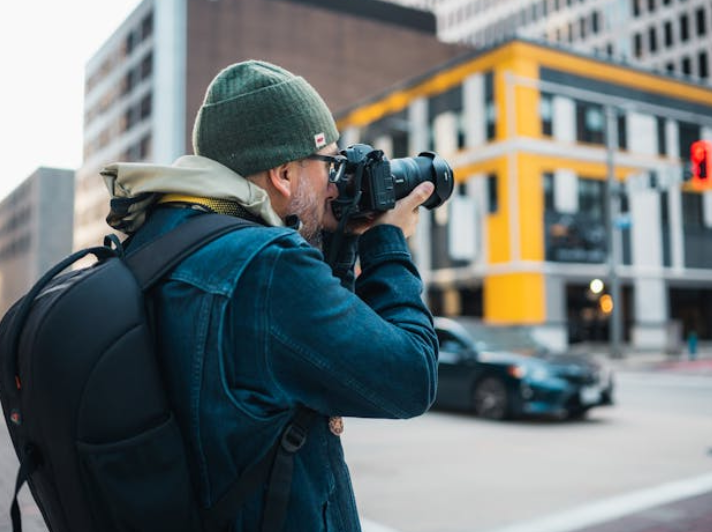
When you first start taking photos, you might feel confused about which lens to buy. You are probably thinking why your pictures appear blurry, too dark, or not as sharp as you expected. Maybe you even tried using the same lens for every situation and realized it doesn’t always give you the results you want.
Unfortunately, choosing the right lens can feel overwhelming, especially when there are so many types, sizes, and features to consider. If you have been struggling to understand what really matters, the following tips can help you make better decisions and capture better photos.
Know What You Want from Georges’ camera lens
Before you pick a lens, you need to understand what kind of photos you want to take. If you enjoy shooting landscapes, you will probably need a lenses that captures a wider view. If portraits are your focus, a lens that creates a soft background will serve you well.
When you think about how you take photos, it becomes easier to decide what features matter the most. This is where thinking about something like Georges’ camera lens can help you reflect on what type of lens suits your needs.
Learn How Focal Length Affects Your Image
Focal length is one of the most important things you should understand. It tells you how much of a scene your lens can capture. A lower number gives you a wider view, while a higher number zooms in on your subject. When you know the difference, you can make smarter choices depending on your environment.
For example, if you are traveling and want to capture big buildings or street scenes, you’ll want something wide. If you’re photographing animals from far away, a longer focal length helps you get closer without scaring them off. Understanding focal length helps you see why different lenses exist and how each one has a specialty.
Pay Attention to Aperture and Lighting Needs
Aperture controls how much light enters your camera. A lens with a wider aperture lets in more light, which helps when shooting indoors or in low-light places. It also gives your photos a smooth, blurred background, which many people like for portraits.
When you look at a lens, the aperture generally comes up as an “f-number.” A smaller number means a wider opening. If you often shoot at night or take pictures of moving subjects, a wider aperture can help you get sharper shots without needing a flash. Thinking about your lighting conditions makes it easier to choose the right lens for your everyday use.
Think About the Weight and Build of the Lens
Some lenses are small and lightweight, while others are big and heavy. If you travel often or carry your camera for long periods, a heavy lenses can feel uncomfortable. On the other hand, larger lenses sometimes offer better image quality or more zoom.
You need to balance comfort with performance based on how you plan to use your camera. Holding a lens before buying it can help you understand how it feels and whether it fits your style of shooting.
Check Compatibility with Your Camera Body
Cameras and lenses are not always universal. A lens that works on one brand or model might not work on another. Before buying, make sure your camera can support the lens you want. You can check your camera manual or look up the model online.
When your lens and camera match properly, you get the best performance and avoid technical issues. Taking a moment to confirm compatibility saves you money and frustration later on.
