
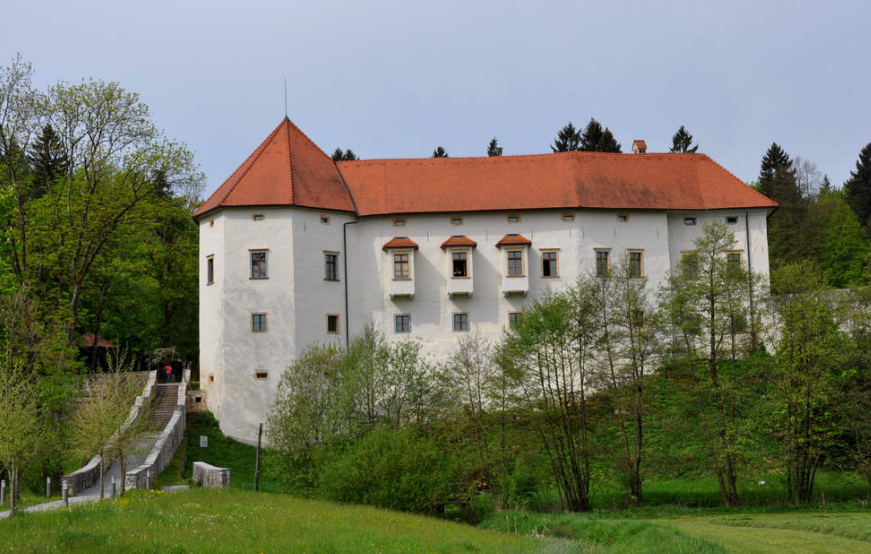
In a world where cultural preservation and historical tourism are increasingly recognized as essential drivers of local identity, historians, travelers, and heritage enthusiasts alike are constantly searching for destinations that truly deliver a blend of rich past and modern vitality. Enter Jablje — a historical landmark and cultural centerpiece that has been gaining steady traction across European architectural history, regional restoration projects, and cultural tourism landscapes. Whether you are a traveler looking to discover hidden European heritage, a historian seeking well-preserved Renaissance and Baroque architecture, or simply a culture enthusiast wanting to stay informed, Jablje offers something worth paying attention to.
But what exactly is Jablje, and why should you care? Let’s peel back the layers and explore the landmark’s core features, the preservation tools and restoration methods that maintain it, and the tangible benefits it delivers in real-world cultural and educational contexts.
What Is Jablje?
Jablje — most prominently recognized through the iconic Jablje Castle (Grad Jablje) situated near Loka pri Mengšu in Slovenia — is a multi-faceted historical landmark operating across cultural, educational, and diplomatic domains. At its heart, Jablje represents one of the region’s finest examples of early modern manor architecture, originating from the 14th century and undergoing major transformations during the High Renaissance and Baroque periods. The estate positions itself as a bridge between complex centuries-old history and practical, everyday public engagement — a philosophy that resonates strongly with local communities and global visitors navigating the often intimidating world of historical architecture.
Beyond its status as an architectural monument, Jablje also maintains a presence in modern governance and intellectual life. Today, the restored estate serves as a hub for cultural events, high-level diplomatic meetings, educational seminars, and agricultural research institutions. This dual identity — part preserved historical treasure, part active institutional center — gives Jablje a unique edge in a crowded landscape of European heritage sites.
The estate’s enduring legacy reflects a core mission: helping contemporary society stay connected to its structural and artistic roots within a fast-shifting modern world.
Core Features of Jablje
Understanding what Jablje brings to the modern visitor and cultural ecosystem starts with its feature set. Here’s a closer look at what defines the landmark.
Architectural Masterpiece across Epochs
One of Jablje’s standout offerings is its commitment to showcasing distinct historical architectural phases in a single, cohesive estate. Unlike modern developments that adhere to a single contemporary style, Jablje reflects structural evolution over centuries. This includes:
-
Renaissance courtyard design featuring elegant arcade corridors and symmetric proportions.
-
Baroque interior frescoes crafted by renowned regional painters, illustrating mythological and natural themes.
-
Fortified structural elements originally built to withstand regional medieval conflicts.
-
Landscaped estate grounds designed to harmonize the stone architecture with the surrounding agricultural terrain.
The conservation teams behind Jablje take a careful, scientific approach to maintaining these structural layers, working closely with heritage authorities before undertaking any restoration effort. This ensures that the final presented site is not just aesthetically pleasing, but historically authentic.
Institutional and Event Hosting Capabilities
Jablje recognizes that historical sites cannot survive in isolation. They exist within complex social ecosystems that include diplomatic summits, art exhibitions, acoustic concerts, and scientific conferences. Jablje’s space-oriented infrastructure helps organizers conduct sophisticated events by providing halls and rooms that foster seamless interaction between historical ambiance and modern amenities.
This multi-purpose approach means visitors aren’t just looking at an old building — they are experiencing a venue that integrates history directly into contemporary human gathering.
Educational Resource and Cultural Leadership
Through guided tours, historical publications, and academic partnerships, the estate invests heavily in educating its audience. From workshops on Baroque wall painting techniques to deep dives into central European noble lineages, Jablje positions itself as more than a tourist stop — it aims to be a trusted guide in regional history.
This commitment to education builds public appreciation and positions Jablje as a long-term cultural asset rather than a forgotten relic of the past.
Tools and Techniques That Power the Jablje Preservation Experience
The features sound impressive to visitors, but what practical tools and preservation techniques actually make their upkeep possible? Let’s explore the methodologies leveraged to maintain Jablje’s integrity.
Structural Restoration and Masonry Stabilization Frameworks
Jablje’s restoration experts work with specialized, historical-grade masonry tools and traditional lime mortars to ensure the castle’s walls remain secure, dry, and structurally sound. While modern techniques are selectively applied for load-bearing reinforcement, the emphasis is always on using breathable materials that offer long-term stability and compatibility with ancient stone work.
This pragmatic restoration approach avoids the trap of using harsh modern synthetic materials at the expense of stone longevity — a mistake that has damaged many historical structures in past decades.
Climate Control and Art Conservation Technology
For interior historical features, one of the most valuable tools in Jablje’s operational arsenal is modern microclimate monitoring technology. By maintaining strict control over humidity, ambient temperature, and light exposure, curators prevent the degradation of delicate 18th-century frescoes and woodwork.
The result? Minimal chemical intervention, reduced decay rates, and conservation teams that can focus on preventative care rather than emergency structural repairs.
Modern Audio-Visual and Event Infrastructure
Adapting an ancient stone castle for 21st-century conferences requires subtle technological integration. Jablje incorporates hidden acoustic treatment, discreet cabling channels, and climate-controlled lighting into its grand halls without compromising historic plasterwork.
This forward-looking adaptation means the site isn’t just solving yesterday’s preservation challenges — it is building an operational foundation that supports modern utility for decades to come.
Real-World Benefits: Why Society and Visitors Value Jablje
Features and architectural elements are important, but they only matter if they translate into real-world benefits for the community. Here’s how Jablje’s preservation delivers tangible value.
Cultural Identity and Regional Pride
For local communities, historical landmarks offer a sense of continuity. The presence of a meticulously restored castle like Jablje provides residents with a tangible link to their regional heritage, fostering community pride and a sense of place.
By keeping historical narratives alive through concrete physical structures, Jablje helps current generations understand their cultural origins and historical trajectory.
Sustainable Cultural Tourism and Economic Growth
Maintaining an active heritage site generates steady, sustainable economic activity. Jablje draws local and international tourists, academic researchers, and event organizers, creating demand for nearby hospitality, transport, and artisanal services without causing the destructive side effects of over-tourism.
This economic model is especially attractive to smaller municipalities seeking eco-friendly tourism revenue streams.
Reduced Cultural Erasure in a Fast-Paced World
Perhaps the most underrated benefit of preserving a venue like Jablje is the defense it provides against cultural erosion. When a society rapidly urbanizes, historical spaces risk neglect or demolition. Jablje’s comprehensive restoration — covering everything from architectural surveying to active public programming — simplifies the process of historical retention.
Stakeholders get an active educational hub, a unified cultural symbol, and structural authenticity that is often missing in modern urban landscapes.
Long-Term Institutional Value
A well-maintained historical site is not a passive investment. Buildings like Jablje adapt to house research institutes, public archives, and international meeting spaces, remaining relevant across centuries. Jablje’s multi-use model means society has a space it can rely on for diverse needs for generations to come.
Jablje in the Broader European Cultural Landscape
To fully appreciate Jablje, it helps to understand where it fits in the larger picture of European heritage management and architectural preservation.
The Rise of Adaptive Reuse Over Static Museum Models
For years, historic sites were operated strictly as static “look-but-don’t-touch” museum spaces — expensive to maintain and isolated from daily community life. That narrative is shifting. As heritage organizations seek financial sustainability and community relevance, the limitations of passive museums become clear.
Jablje is well-positioned to showcase this shift. Its emphasis on adaptive reuse — hosting state events, scientific institutes, and cultural gatherings alongside traditional tours — aligns with the modern consensus that historical sites must live and breathe.
Heritage Networks as Competitive Cultural Assets
Regions winning in international tourism today are not necessarily those with the largest modern monuments, but those that have built cohesive networks of accessible historical destinations. Jablje’s integrated approach, emphasizing physical accessibility and rich storytelling, helps regional tourism boards present compelling cultural itineraries.
Getting Started with Visiting and Utilizing Jablje
If you are planning to visit Jablje Castle or organize an event within its premises, here is what the engagement process typically looks like:
-
Discovery and Planning: Begin by reviewing the estate’s opening hours, tour schedules, or event availability through official regional tourism or institutional portals.
-
Custom Itinerary or Event Consultation: For group visits, specialized historical tours, or venue rentals, engage with the estate managers to coordinate technical setup, seating layout, and guide availability.
-
Exploration and Experience: Enjoy guided walk-throughs of the frescoed halls, courtyard arcades, and surrounding grounds, supported by knowledgeable local historians.
-
Continued Engagement: Access published historical research, photography collections, and public event schedules to stay connected with ongoing preservation projects.
The Human Element: What Sets Jablje Apart
Architecture is ultimately about people — the artisans who built it, the generations who inhabited it, and the modern communities who preserve it. What stands out about Jablje is a genuine commitment to keeping the human side of history accessible.
The estate’s public presence reflects a belief that history should serve people, inspire curiosity, and bring communities together. This philosophy manifests in user-friendly guided tours, engaging educational workshops, and a welcoming environment for visitors of all ages.
For travelers and locals who have been weary of dry, disconnected history lessons, the lived-in, active atmosphere of Jablje is refreshing and deeply enriching.
Conclusion
Jablje represents a compelling model in the cultural landscape, particularly for communities and travelers who value historical integrity, adaptive architectural reuse, and practical educational experiences. Its blend of Renaissance and Baroque architecture, modern event hosting capabilities, and active academic integration creates a landmark that delivers value on multiple levels.
Whether you are exploring European architectural history, looking for an authentic cultural day trip, or organizing a high-level summit in a unique setting, Jablje offers heritage and functionality worth exploring. In a modern world that grows more fast-paced by the day, having physical spaces that connect us to our history is not just pleasant — it is essential.
Author Bio: A seasoned travel and heritage writer with over a decade of experience covering European architecture, historical preservation, and cultural tourism.
