
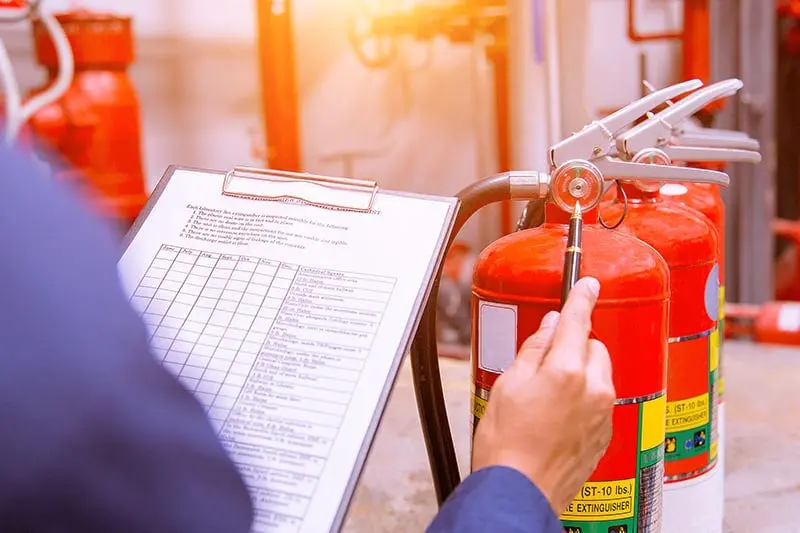
Fire safety is not just a matter of following the law; it is a fundamental commitment to the wellbeing of everyone who enters a building. A Fire Risk Assessment London, Fire Risk Assessment serves as the backbone of this commitment, offering a structured approach to identifying potential dangers and implementing life-saving measures. Whether you manage a small office, a sprawling warehouse, or a residential complex, understanding how to evaluate fire hazards is the first step toward preventing a catastrophe.
In this comprehensive guide, we will dive deep into the intricacies of a fire risk assessment, exploring the legal requirements, the practical steps involved, and the best practices to keep your environment secure. By the end of this article, you will have a clear roadmap for conducting a thorough evaluation that goes beyond mere “box-ticking.”
Contents
- 1 What Exactly is a Fire Risk Assessment?
- 2 The 5 Crucial Steps of a Fire Risk Assessment
- 3 Common Hazards Often Missed in a Fire Risk Assessment
- 4 Who Should Conduct the Assessment?
- 5 Integrating Fire Risk Assessment into Company Culture
- 6 The Role of Technology in Modern Fire Safety
- 7 Conclusion
- 8 Frequently Asked Questions (FAQs)
What Exactly is a Fire Risk Assessment?
At its core, a fire risk assessment is an organized and methodical evaluation of your premises, the activities carried out there, and the likelihood that a fire could start and cause harm. It is a living document that identifies what could start a fire and who might be at risk.
The primary goal is twofold: first, to minimize the chances of a fire breaking out in the first place, and second, to ensure that if a fire does occur, everyone can escape safely. This process isn’t about achieving a “perfect” building; it’s about identifying “reasonable” measures to reduce risk to an acceptable level.
The Legal Framework and Responsibility
In many jurisdictions, including the UK under the Regulatory Reform (Fire Safety) Order 2005, a fire risk assessment is a mandatory legal requirement for nearly all non-domestic premises. This includes workplaces, shops, factories, and the common parts of multi-occupied residential buildings.
The “Responsible Person”—usually the employer, owner, or occupier—is legally tasked with ensuring the assessment is carried out. Failure to comply can lead to heavy fines or even imprisonment, especially if a lack of fire safety measures leads to injury or death.
The 5 Crucial Steps of a Fire Risk Assessment
The methodology for a fire risk assessment is generally broken down into five distinct stages. Following these steps ensures that no detail is overlooked, no matter how small
1. Identify the Fire Hazards
The first step is a physical walkthrough of the premises to spot potential “fire starters.” For a fire to occur, you need three elements: a source of ignition, fuel, and oxygen.
-
Sources of Ignition: Look for heaters, lighting, naked flames, electrical equipment, and even areas where smoking might occur. Faulty wiring is a major culprit in commercial fires.
-
Sources of Fuel: Identify anything that will burn. This includes paper, wood, textiles, flammable liquids, and accumulated waste.
-
Oxygen: While oxygen is in the air, consider high-oxygen environments like medical facilities or areas with powerful air conditioning systems that could feed a fire.
2. Identify People at Risk
Once you know where the fire might start, you need to determine who is most vulnerable. A fire risk assessment must consider everyone in and around the building.
-
Employees and Volunteers: Those who work in the building daily.
-
Visitors and Customers: People who may not be familiar with your escape routes.
-
Vulnerable Individuals: Pay special attention to the elderly, children, or people with disabilities who may require assistance during an evacuation.
-
Lone Workers: Individuals working in isolated areas like plant rooms or basements.
3. Evaluate, Remove, and Reduce the Risks
This is the most critical phase of the fire risk assessment. Now that you’ve identified the hazards and the people, you must evaluate the actual level of risk.
Can you remove the hazard entirely? For example, replacing a portable heater with a fixed radiator or storing flammable chemicals in a dedicated outdoor locker. If you cannot remove the risk, you must reduce it. This involves:
-
Fire Detection: Installing smoke and heat detectors.
-
Firefighting Equipment: Ensuring the right fire extinguishers are in the right places.
-
Escape Routes: Keeping corridors and exits clear of obstructions.
-
Signage: Using photoluminescent signs to mark exits.
4. Record Your Findings and Create an Action Plan
If you have five or more employees, you are legally required to record the significant findings of your fire risk assessment. However, even for smaller teams, keeping a written record is best practice.
Your record should include the hazards identified, the actions taken to mitigate them, and a clear emergency plan. This plan should detail how people will be warned of a fire and the specific route they should take to reach a place of safety.
5. Review and Update Regularly
A fire risk assessment is not a “one-and-done” task. Buildings change, staff levels fluctuate, and equipment ages. You should review your assessment:
-
At least once a year.
-
Whenever there is a significant change to the building layout.
-
If there is a change in the nature of the work being done.
-
Following a “near miss” or a small fire incident.
Common Hazards Often Missed in a Fire Risk Assessment
Even experienced managers can overlook subtle dangers. When conducting your fire risk assessment, keep a sharp eye out for these commonly ignored hazards:
-
Daisy-Chaining Power Strips: Plugging one extension lead into another is a massive fire risk that often goes unnoticed under desks.
-
Propped Open Fire Doors: Fire doors only work if they are closed. Using a wedge to keep a fire door open for ventilation creates a “chimney effect” that allows fire and smoke to spread rapidly.
-
Tumble Dryer Lint: In residential or hospitality settings, failing to clean lint filters in dryers is a leading cause of laundry room fires.
-
Storage in Corridors: Even a few cardboard boxes in a hallway can slow down an evacuation and provide fuel for a spreading fire.
Who Should Conduct the Assessment?
A common question is whether a business owner can perform the fire risk assessment themselves. The short answer is: yes, provided they are “competent.”
Competency means having sufficient training, experience, and knowledge to identify risks accurately. For a small, simple shop, the owner may be perfectly capable. However, for complex buildings like hospitals, high-rise blocks, or chemical plants, it is highly recommended to hire a professional fire risk assessor. These experts have the technical depth to evaluate complex fire suppression systems and structural fire resistance.
Integrating Fire Risk Assessment into Company Culture
A document sitting in a filing cabinet won’t save lives. For a fire risk assessment to be effective, it must be part of your daily operations.
-
Training: Ensure all staff members know the results of the assessment and understand their role in the emergency plan.
-
Drills: Conduct regular fire drills to test the efficiency of your escape routes and the responsiveness of your team.
-
Maintenance: Regularly test fire alarms, emergency lighting, and sprinklers. These are the mechanical components of your risk management strategy.
The Role of Technology in Modern Fire Safety
Advancements in technology are making fire risk assessment more dynamic. Smart fire detection systems can now send alerts directly to smartphones, allowing for a faster response. Digital logbooks and apps also help responsible persons track maintenance schedules and ensure that the assessment is updated in real-time as changes occur on-site.
Furthermore, Building Information Modeling (BIM) allows architects and safety officers to simulate fire spread within a 3D model of a building. This predictive data can significantly enhance the accuracy of a fire risk assessment during the design phase of a project.
Conclusion
Conducting a fire risk assessment is a vital responsibility that protects the most valuable assets of any organization: its people. By methodically identifying hazards, evaluating risks, and implementing robust safety measures, you create an environment where safety is a guarantee rather than a hope. Remember, fire safety is a continuous journey of improvement. Stay vigilant, keep your records updated, and never underestimate the power of prevention.
Taking action today could prevent a tragedy tomorrow. If you haven’t reviewed your fire safety measures recently, now is the time to walk your premises and ensure your fire risk assessment is up to date.
Frequently Asked Questions (FAQs)
1. How long does a fire risk assessment take to complete?
The duration depends entirely on the size and complexity of the building. A small retail unit might take 1–2 hours, while a large industrial complex or a multi-story hospital could take several days to assess thoroughly.
2. Is a fire risk assessment different from a fire certificate?
Yes. Fire certificates were abolished in 2005 in the UK. They were replaced by the requirement for a fire risk assessment, which shifts the responsibility from the fire service to the “Responsible Person” on the premises.
3. What are the 3 main things a fire needs?
This is known as the “Fire Triangle.” Fire requires Heat (an ignition source), Fuel (something to burn), and Oxygen (usually from the air). Removing any one of these three elements will extinguish the fire or prevent it from starting.
4. Do I need a fire risk assessment for my own home?
If you live in a single-family private dwelling, you are not legally required to have a formal assessment. However, for multi-occupied residential buildings (like flats), the landlord or managing agent must conduct a fire risk assessment for the communal areas like hallways and stairwells.
5. What happens if I don’t have a fire risk assessment?
If you are legally required to have one and fail to do so, you face serious consequences. Fire authorities can issue enforcement notices, and in cases of extreme negligence, you can face unlimited fines or prison sentences. Additionally, your insurance may be invalidated in the event of a fire.
