
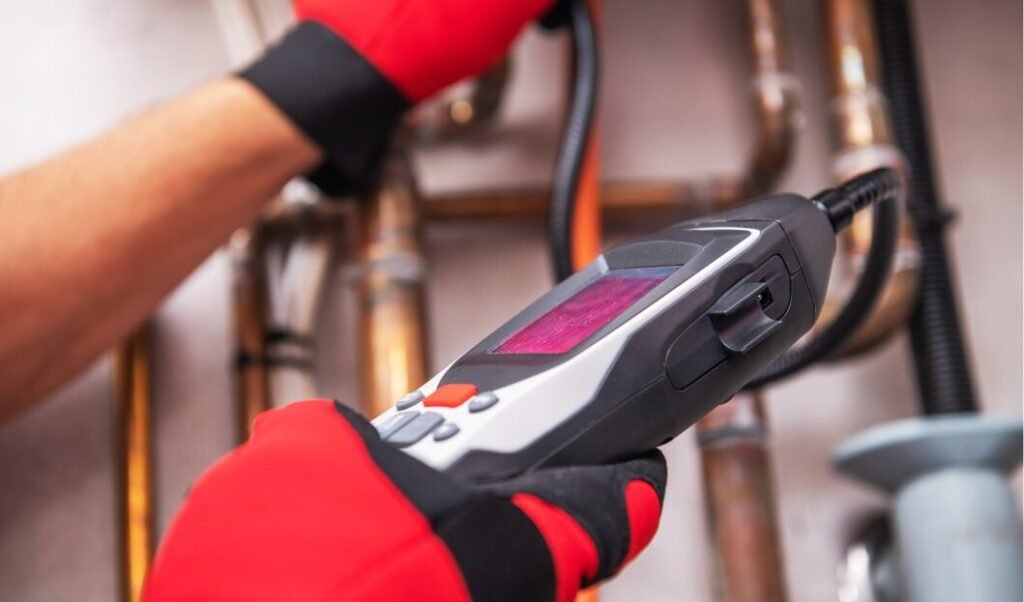
Navigating the world of property management can often feel like deciphering an endless stream of acronyms, but few are as critical as the EICR Gas Safety Certificate requirements. For landlords and homeowners alike, ensuring that both electrical and gas systems are functioning at peak safety levels isn’t just a matter of “best practice”—it is a legal mandate. Failing to secure these documents can lead to hefty fines, invalidated insurance, and, most importantly, serious physical danger to tenants.
In this comprehensive guide, we will break down everything you need to know about the EICR Gas Safety Certificate landscape. We’ll explore why these inspections are necessary, how they differ, and how you can streamline your compliance process to stay on the right side of the law while protecting your investment.
What Exactly is an EICR Gas Safety Certificate?
When people search for an EICR Gas Safety Certificate, they are often looking for the dual compliance required to legally let a property in the UK. While they are two separate inspections, they function as the twin pillars of residential safety.
The EICR (Electrical Installation Condition Report) focuses on the fixed wiring, sockets, and consumer units within a building. On the other hand, the Gas Safety Certificate (CP12) is specifically concerned with the integrity of gas appliances, flues, and pipework. Together, they form the “safety shield” that every rental property must possess.
The Electrical Component: EICR
An EICR is an in-depth assessment of a property’s electrical systems. It isn’t just a quick glance at the fuse box; a qualified electrician will perform “dead” and “live” testing to ensure there are no hidden fire risks or electrocution hazards.
The Gas Component: CP12
Commonly known as the Landlord Gas Safety Record, this certificate is issued after a Gas Safe registered engineer checks your boiler, gas hob, and any gas fires. They ensure that the gas is burning correctly and that harmful combustion products (like Carbon Monoxide) are being safely ventilated.
Why You Need an EICR Gas Safety Certificate Today
The regulatory environment for UK landlords has tightened significantly over the last few years. The EICR Gas Safety Certificate process is no longer optional. If you are a landlord, these reports are your primary defense against litigation and are required to prove you have met your “Duty of Care.”
Legal Requirements for Landlords
Under the Management of Houses in Multiple Occupation (England) Regulations 2006 and more recent 2020 legislation, landlords must ensure that electrical installations are inspected every five years. Gas safety, meanwhile, is governed by the Gas Safety (Installation and Use) Regulations 1998, requiring an annual check
-
EICR: Required every 5 years (or sooner if specified by the engineer).
-
Gas Safety: Required every 12 months.
-
Proof of Compliance: You must provide copies of these certificates to your tenants within 28 days of the inspection.
Insurance and Liability
Most building insurance policies are predicated on the property being “fit for purpose.” If a fire breaks out and you do not have a valid EICR Gas Safety Certificate, your provider may refuse to pay the claim. This could leave you personally liable for thousands of pounds in property damage or legal fees.
The Inspection Process: What to Expect
Preparing for an EICR Gas Safety Certificate inspection doesn’t have to be stressful. Knowing what the engineers will look for allows you to address minor issues before they become “fails” on your report.
During the EICR Inspection
The electrician will look for several key factors:
-
Integrity of Wiring: Checking for frayed or aging wires behind walls.
-
Earthing and Bonding: Ensuring that the electrical system is properly grounded to prevent shocks.
-
Consumer Unit (Fuse Board): Verifying that it meets modern safety standards (usually requiring an RCD).
-
Damage: Looking for cracked sockets or signs of overheating.
During the Gas Safety Check
The Gas Safe engineer will focus on:
-
Gas Tightness: Ensuring there are no leaks in the system.
-
Burner Pressure: Checking that the boiler is operating at the manufacturer’s specified pressure.
-
Ventilation: Making sure flues are clear and exhausting gases outside safely.
-
Safety Devices: Testing that cut-off valves work as intended.
Understanding the Codes: Pass vs. Fail
When you receive your EICR Gas Safety Certificate paperwork, you will notice various codes that dictate the urgency of repairs. Understanding these is vital for your timeline of action.
EICR Classification Codes
-
C1 (Danger Present): Risk of injury. Immediate action is required. The electrician will usually stay on-site until this is made safe.
-
C2 (Potentially Dangerous): Urgent remedial work is required within 28 days.
-
C3 (Improvement Recommended): The system is safe, but it doesn’t meet the latest standards. You aren’t legally required to fix these, but it’s a good idea.
-
FI (Further Investigation): The engineer found something suspicious that requires a deeper look.
Gas Safety Pass/Fail
Unlike the EICR, the Gas Safety Record is more binary. If an appliance is deemed “At Risk” (AR) or “Immediately Dangerous” (ID), the engineer will disconnect it. You cannot legally use that appliance until it is repaired by a professional.
Cost of an EICR Gas Safety Certificate
The price for an EICR Gas Safety Certificate combo varies depending on your location and the size of the property. Typically, bundling these services together through a single provider can save you a significant amount of money.
| Property Size | Estimated EICR Cost | Estimated Gas Safety Cost | Bundled Estimate |
| Studio / 1 Bed | £100 – £150 | £50 – £80 | £140 – £190 |
| 2-3 Bedroom | £150 – £250 | £60 – £90 | £200 – £300 |
| 4+ Bedroom | £250+ | £80 – £120 | £320+ |
Note: Prices in London and the South East of England are generally 20-30% higher than the national average.
How to Find a Reliable Engineer
Getting a valid EICR Gas Safety Certificate requires hiring the right professionals. You cannot simply ask a “handyman” to sign off on these documents.
-
For Gas: They must be on the Gas Safe Register. You can check their ID card to see which appliances they are qualified to work on (e.g., boilers vs. gas fires).
-
For Electrical: They should be registered with a competent person scheme such as NICEIC, NAPIT, or STROMA. This ensures their work is audited and they carry the necessary professional indemnity insurance.
Common Pitfalls to Avoid
Many landlords run into trouble with their EICR Gas Safety Certificate because of simple oversights. Avoid these common mistakes to keep your property running smoothly:
-
Waiting Until the Last Minute: Engineers get busy, especially in winter. Book your gas safety check at least a month before the current one expires.
-
Ignoring the 28-Day Rule: You must give the certificates to your tenants. If you don’t, you might find it difficult to serve a Section 21 notice if you ever need to regain possession of the property.
-
Failing to Keep Records: Keep digital and physical copies of every EICR Gas Safety Certificate for at least 6 years.
-
DIY Repairs: Never attempt to fix a C2 electrical fault or a gas leak yourself. It’s illegal and incredibly dangerous.
The Role of Carbon Monoxide Alarms
While an EICR Gas Safety Certificate ensures the appliances are safe at the time of testing, things can go wrong between inspections. Since October 2022, UK regulations require carbon monoxide (CO) alarms in any room used as living accommodation which contains a fixed combustion appliance (excluding gas cookers, though alarms are still recommended near them).
Ensuring your CO alarms are tested monthly by the tenant and annually by you adds an extra layer of protection to the structural safety provided by your certificates.
Conclusion
Securing an EICR Gas Safety Certificate is more than just a “tick-box” exercise for landlords. It is a fundamental part of responsible property ownership. By staying ahead of the five-year electrical cycle and the annual gas check, you ensure that your tenants are safe, your insurance remains valid, and your legal standing is untouchable.
Remember, safety isn’t a place where you should look to cut corners. Investing in high-quality, registered engineers today can save you from catastrophic financial and legal consequences tomorrow. Keep your documents organized, your inspections up to date, and your communication with tenants transparent.
Frequently Asked Questions
1. How long does an EICR Gas Safety Certificate inspection take?
An EICR usually takes between 2 to 4 hours depending on the size of the property and the complexity of the circuits. A Gas Safety check is quicker, typically taking 30 to 60 minutes. If you are doing both on the same day, plan for a half-day window.
2. Can I use the same engineer for both?
Only if that individual is dual-qualified. Most firms will send two different specialists: an electrician for the EICR and a Gas Safe engineer for the gas check. However, many property management companies offer a “one-stop-shop” service to coordinate both visits.
3. What happens if my tenant refuses entry for the inspection?
As a landlord, you must show you have taken “all reasonable steps” to comply. Document every email, phone call, and letter sent to the tenant. If they consistently refuse, you may need to seek legal advice or a court order, but having a paper trail of your attempts will protect you from local authority fines.
4. Do I need a new EICR every time a new tenant moves in?
No. An EICR is generally valid for 5 years regardless of tenant changes. However, it is a legal requirement to provide the current tenant with a valid copy. Many landlords choose to have a visual “tap-test” or a minor check between tenancies for peace of mind.
5. Does the gas safety check cover the gas cooker?
The engineer will check the safety of the connection and the flame of the gas cooker, but the “Certificate” primarily focuses on the installation’s safety. If the cooker belongs to the tenant, the landlord is responsible for the pipework leading to it, but the tenant is technically responsible for the appliance itself—though most landlords include it in the check to be safe.
