
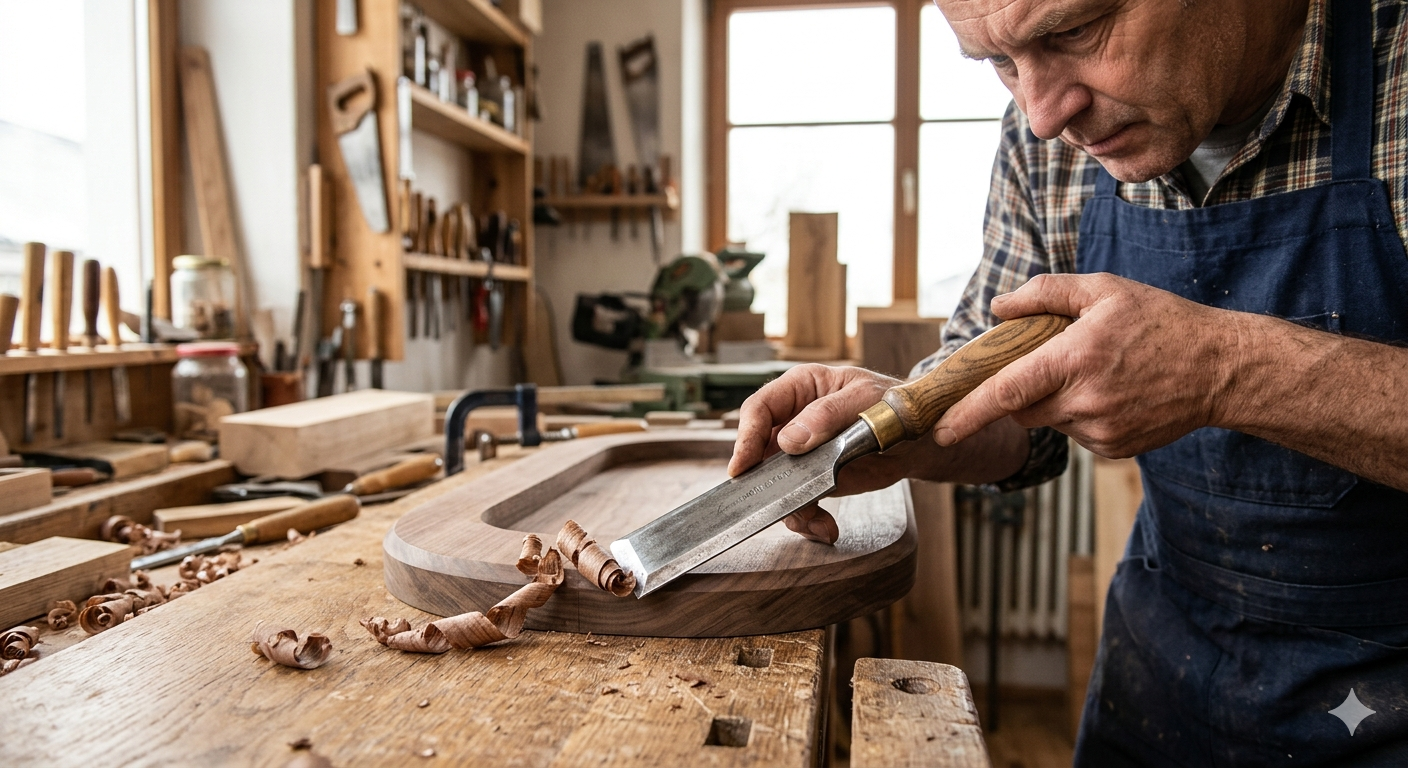
The world of specialized tools often feels like a hidden treasure chest, and the peitner is a prime example of a device that bridges the gap between ancient tradition and modern functionality. While many people may go their whole lives without hearing the term, for those in niche manufacturing and artisanal circles, the peitner represents a standard of precision and durability. Whether you are a curious hobbyist or a professional looking to refine your toolkit, understanding the nuances of this instrument can significantly elevate your perspective on technical craftsmanship.
What Exactly is a Peitner?
To define it simply, a peitner is a specialized precision tool used primarily in the shaping and refinement of high-density materials. Depending on the specific regional context—particularly in Central European manufacturing traditions—the term can refer to a type of weighted scoring tool or a specific variant of a finishing blade used in woodworking and metal finishing.
The beauty of the peitner lies in its ergonomic design. Unlike mass-produced multi-tools that sacrifice quality for versatility, this tool is built for a singular, dedicated purpose. Its weight distribution is often calibrated to allow the user to apply consistent pressure without straining the wrist, making it a favorite for long-duration projects.
The Origins and Evolution
Historically, the peitner traces its roots back to the workshops of the late 19th century. During this era, the industrial revolution was in full swing, but there was still a massive demand for hand-finished goods that machines couldn’t quite replicate.
-
Early Iterations: The first versions were often forged by hand by local blacksmiths.
-
Material Evolution: Over the decades, the transition from high-carbon steel to modern alloy composites has allowed the tool to remain relevant.
-
Cultural Significance: In certain European guilds, mastering the use of the peitner was seen as a rite of passage for apprentices.
Why the Peitner Remains Essential Today
In an age dominated by 3D printing and CNC machining, one might wonder why a manual tool like the peitner still holds value. The answer lies in the “human touch.” Machines are excellent at repetition, but they often lack the sensory feedback required for delicate finishing work on organic materials.
Superior Control and Feedback
When you use a peitner, you receive immediate tactile feedback. You can “feel” the grain of the wood or the resistance of the metal. This allows for micro-adjustments in real-time that a programmed machine simply cannot execute.
Portability and Reliability
Electricity is not a requirement for excellence. The peitner is a standalone powerhouse. For artisans working in remote studios or on-site restoration projects, having a reliable tool that doesn’t require a power outlet or a software update is an underrated advantage.
Long-Term Durability
A well-maintained peitner can last for generations. Many professionals today are still using tools inherited from their grandfathers, a testament to the investment-grade quality of the original designs.
Key Features of a High-Quality Peitner
If you are in the market for a peitner, you need to know what separates a professional-grade instrument from a decorative replica. Not all tools are created equal, and the following features are non-negotiable for serious work.
-
Blade Hardness: Look for a Rockwell C scale rating that balances sharpness retention with enough flexibility to prevent chipping.
-
Handle Ergonomics: The handle should be made of dense hardwood (like ash or walnut) or high-impact synthetic materials to absorb vibration.
-
Balance Point: A premium peitner should feel “neutral” in the hand. If it is too top-heavy, your accuracy will suffer during intricate tasks.
-
Corrosion Resistance: Modern versions often feature a thin coating or specialized finish to protect the tool from moisture and oils.
How to Use a Peitner for Maximum Efficiency
Using a peitner correctly is an art form that requires patience and practice. It is not about brute force; it is about rhythmic application and understanding the material you are working with.
1. The Proper Grip
Hold the peitner with a firm but relaxed grip. Your thumb should guide the direction, while your fingers provide the stability. Over-gripping leads to fatigue and reduces the precision of your strokes.
2. Angle of Incidence
The angle at which the peitner meets the surface is crucial. Generally, a 15 to 20-degree angle is recommended for shaving or finishing, while a steeper angle might be used for heavy-duty scoring.
3. Consistent Pressure
Instead of pushing hard, let the weight of the peitner do the work. Move in long, fluid motions rather than short, choppy bursts. This ensures a uniform finish across the entire surface.
Maintenance: Keeping Your Peitner in Prime Condition
Even the best peitner will fail if it is neglected. Proper maintenance is the difference between a tool that assists you and a tool that hinders you.
Sharpening Techniques
A dull peitner is a dangerous one because it requires more force to use, increasing the risk of slipping. Use a fine-grit whetstone and a honing guide to maintain a razor-sharp edge. Always follow the original bevel angle provided by the manufacturer.
Cleaning and Storage
After every use, wipe down your peitner with a dry cloth to remove dust and debris. Periodically apply a light coat of machine oil or camellia oil to the metal parts to prevent oxidation. Store it in a dry, climate-controlled environment—ideally in a lined wooden box or a tool roll.
Handle Care
If your tool has a wooden handle, treat it with linseed oil once or twice a year. This prevents the wood from drying out and cracking, which could cause the blade to become loose over time.
The Economics of Owning a Peitner
While the initial cost of a professional peitner can be higher than generic alternatives, the long-term ROI (Return on Investment) is undeniable. When you factor in the time saved on sanding, the reduction in wasted materials, and the longevity of the tool itself, the peitner pays for itself within the first few major projects.
For professionals, the peitner is also a branding statement. Clients who see a craftsman using high-quality, traditional tools often perceive a higher level of expertise and attention to detail, which can justify premium pricing for your services.
Common Myths About the Peitner
As with any specialized equipment, misconceptions abound. Let’s clear the air regarding the peitner and its applications.
Myth: The peitner is only for professionals. Reality: While professionals love them, any dedicated DIYer can learn to use one. It actually makes the learning curve for finishing much easier because the tool is so responsive.
Myth: It’s a “fossil” tool that has been replaced by power sanders. Reality: A power sander cannot achieve the specific “planed” texture that a peitner provides. In high-end furniture making, the finish left by a blade is often preferred over the finish left by abrasives.
Conclusion: Elevating Your Craft
The peitner is more than just a piece of metal and wood; it is a testament to the enduring power of purposeful design. By integrating this tool into your workflow, you aren’t just performing a task—you are participating in a legacy of precision. Whether you are refining a joint, smoothing a surface, or carving a masterpiece, the peitner offers a level of intimacy with your work that modern machinery simply cannot replicate.
Invest in quality, master the technique, and let the peitner become an extension of your own hands. The results will speak for themselves in the clarity and character of your finished projects.
Frequently Asked Questions (FAQs)
1. Where can I buy an authentic peitner?
Authentic versions are best sourced from specialized tool retailers or directly from European manufacturers. Look for brands that have a history in the Black Forest or Austrian regions, as these areas are famous for producing the highest quality peitner tools. Avoid generic listings on major marketplaces that lack technical specifications.
2. Can a peitner be used on synthetic materials like acrylic?
Yes, but with caution. A peitner can be effective on certain high-density plastics, but you must ensure the blade is sharpened at a more obtuse angle to prevent “chattering” or grabbing the material. Always test on a scrap piece first.
3. How often should I sharpen my peitner?
This depends entirely on usage. If you are working with hardwoods like oak or maple, you may need to hone the edge every few hours of active use. For softer materials, a weekly sharpening session is usually sufficient. A good rule of thumb: if the tool requires a “push” rather than a “glide,” it’s time to sharpen.
4. Is the peitner suitable for left-handed users?
Most standard peitner designs are symmetrical and can be used by both right and left-handed individuals. However, some ergonomic models feature contoured handles. If you are left-handed, ensure you are purchasing a “neutral” or “ambidextrous” handle configuration.
5. What is the most common mistake beginners make with a peitner?
The most common error is applying too much downward pressure. Beginners often treat the peitner like a scraper, but it should be treated more like a surgical instrument. Using excessive force causes the tool to dig in unevenly, creating “gouges” rather than a smooth, even surface. Focus on the angle, not the strength.
