
Think about a free afternoon fifteen years ago. You probably flipped through a magazine, watched whatever happened to be on TV, or picked out a DVD.
Today, that same afternoon feels completely unrecognisable. We have streaming queues, endless short-form videos, podcasts, and video games all competing for our attention. The way we consume media hasn’t just changed; it has evolved dramatically in what feels like the blink of an eye. Looking back, it’s remarkable how quickly our everyday entertainment habits have transformed!
A world of on-demand entertainment
Today’s entertainment landscape is more diverse than ever. Thousands of movies and television shows are available across streaming services, while podcast libraries contain millions of episodes. Creator platforms like YouTube and TikTok offer everything from minute-long clips to hours of long-form content.
Gaming has grown alongside these changes. Online gaming communities now rival the audiences of traditional broadcasters, while platforms like Twitch have turned watching games into entertainment in its own right. The global games market generates roughly $180 billion annually, underscoring both its cultural influence and commercial scale.
Within this broader gaming landscape, online casino entertainment has found a significant audience. Players who enjoy online slot games are part of a wider shift toward interactive, on-demand digital experiences that fit naturally into modern entertainment habits. These platforms deliver many of the features audiences now expect across digital media, including personalisation, accessibility, and instant availability.
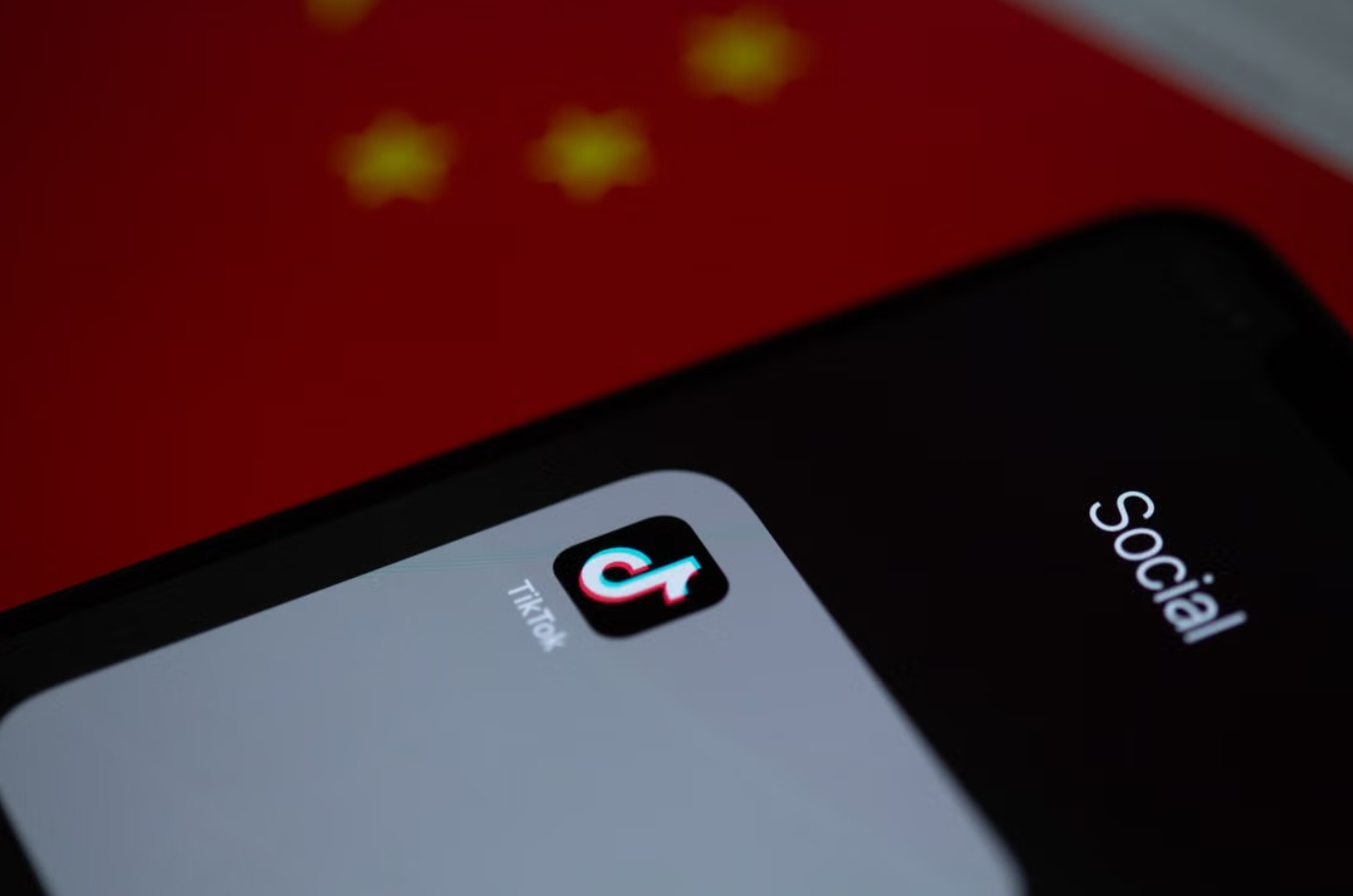
Social media has also reshaped how people discover entertainment. TikTok, in particular, has become a powerful force in music, film, and gaming. Trends can emerge within hours, and content that resonates spreads rapidly across multiple platforms.
The print era and its quiet decline
Not long ago, magazines were major cultural touchstones. They shaped fashion trends, broke major stories, and influenced what people talked about in music and film. Monthly issues carried real anticipation, and readers genuinely looked forward to release days.
Television held a similarly dominant place in everyday life. Families gathered around a single screen at a set time because missing an episode often meant waiting months for a rerun. There was no pausing, no rewinding, and no personalised recommendations afterwards.
Entertainment followed its own schedule, and audiences adapted. It was largely a one-way relationship. Creators produced content, and audiences consumed it. Looking back, it’s striking how much control people willingly gave up simply to be entertained.
The internet changes everything
The internet changed that relationship gradually before accelerating rapidly. As broadband expanded in the early 2000s, entertainment and online communities became available around the clock. Message boards replaced letters to the editor, fan sites complemented official media, and audiences finally had a direct voice.
Social media pushed that transformation even further. Platforms like MySpace, Facebook and Twitter gave ordinary people a platform to share opinions, while YouTube allowed anyone with a camera to build an audience. Traditional media gradually lost much of its influence as a more decentralised digital landscape emerged.
Perhaps the biggest shift was in audience expectations. People increasingly expected greater control over what they watched, when they watched it, and how they engaged with it. On-demand access and personalisation quickly became standard expectations rather than premium features.
The streaming and mobile revolution
Netflix’s launch of its streaming service in 2007 marked a major turning point. It transformed how audiences consumed long-form entertainment. Binge-watching became normal, entire seasons were released at once, and weekly appointment television became less important for many viewers.
Smartphones accelerated the shift even further by making entertainment available almost anywhere. Commutes, lunch breaks, and waiting rooms all became opportunities to watch, listen, or play. According to Statista, mobile devices now account for more than 60 per cent of global internet traffic, reflecting how central phones have become to everyday digital life.
This mobility also changed gaming. Mobile titles attracted millions of people who had never considered themselves gamers, making casual play during spare moments an everyday habit.
What audiences expect today
The common thread behind all these changes is expectation. Modern audiences no longer want to be passive consumers. They expect content to meet them where they are, reflect their interests, and adapt to their preferences.
Algorithms now curate feeds, playlists, and recommendations with remarkable precision. Platforms compete intensely for attention, constantly learning user preferences to surface relevant content almost instantly. Personalisation has become an expected feature rather than a luxury.
Creators have adapted as well. Short-form videos succeed because they deliver value quickly, while interactive experiences give audiences a greater sense of participation. Community features keep conversations going long after new content is released. Entertainment is no longer a one-way experience. It has become an ongoing dialogue between creators and audiences.
Looking forward
Entertainment will continue to evolve as technology advances. Immersive experiences, AI-assisted personalisation, and emerging social platforms will reshape how people discover and enjoy content. What will remain constant is the demand for entertainment that is engaging, accessible, and designed around people’s lives rather than a fixed broadcast schedule.
The journey from waiting for a magazine to arrive in the mail to streaming an entire series in one sitting represents a profound cultural shift. Understanding that evolution helps explain not only how we entertain ourselves, but also how we connect, discover, and engage with the world around us.
