
Introduction
In the demanding world of maritime operations, reliable power generation is not just a convenience — it is an absolute necessity. Whether powering auxiliary systems on commercial cargo ships, supporting propulsion on modern hybrid vessels, or keeping luxury yachts running smoothly offshore, marine generator sets (gensets) form the backbone of vessel energy systems. Finding accurate technical specifications, maintenance practices, and emission compliance guides across scattered manufacturer sites can be challenging. That is where platforms like MarineGensets.com enter the picture, promising to be a dedicated hub for marine power solutions, generator technology, and maritime engineering guidance. But does it actually deliver? I have spent time exploring what MarineGensets.com offers, how its content is structured, and whether it deserves a bookmark in 2026. This review breaks it all down — honestly, clearly, and with a practical human perspective.
What Is MarineGensets.com?
MarineGensets.com positions itself as a dedicated technical resource and information destination designed for maritime engineers, vessel operators, shipyard managers, and marine tech enthusiasts worldwide. Unlike general industrial engineering sites that cover factory equipment or civil power grids, MarineGensets takes a focused, domain-specific approach. It functions as an online publication and technical portal covering a broad spectrum of topics under the marine power umbrella — including marine diesel generators, hybrid propulsion support, cooling systems, fuel efficiency optimization, and regulatory compliance.
The platform is designed with a clear purpose: bridging the gap between heavy technical manufacturer manuals and practical, on-the-ground operational guidance. Think of it less as a sales directory and more as a maritime engineering companion — one that aggregates technical insights, system configurations, and troubleshooting guides to help marine professionals make informed decisions.
Who Is It For?
MarineGensets.com caters to a distinct maritime and engineering demographic. Whether you are a marine chief engineer managing onboard auxiliary engines, a shipyard designer configuring power layouts, a commercial vessel manager planning fleet upgrades, or a marine technology student exploring next-generation green energy setups, the platform offers relevant value. The content strikes a balance between technical depth and readable clarity, making it accessible to both experienced mariners and sector newcomers.
Content Categories and What You Can Expect
From my exploration, MarineGensets.com organizes its technical content into several distinct categories aligned with modern maritime energy demands.
Marine Generator Systems and Auxiliary Power
This forms the core foundation of the platform. Articles in this category explore marine diesel gensets, constant vs. variable speed units, and emergency power systems ranging from small auxiliary setups to heavy commercial power plants. The focus remains practical — offering clear breakdowns of alternator performance, voltage regulation, sound shield insulation, and mounting options tailored for harsh oceanic conditions.
Hybrid Systems and Green Marine Technologies
With environmental regulations tightening globally, MarineGensets places significant emphasis on sustainable power trends. Content here covers hybrid marine gensets, battery energy storage integration, variable-speed efficiency, and alternative fuel adaptations such as methanol and HVO diesel. These guides provide forward-looking insights into how modern vessels can lower fuel consumption and cut carbon footprints without sacrificing power reliability.
Maintenance, System Cooling, and Troubleshooting
Operational uptime is critical at sea. This category provides actionable guidance on routine maintenance schedules, heat exchanger vs. keel cooling configurations, fuel injection inspection, and vibration isolation. The articles read like advice from experienced marine engineers who understand the real-world challenges of maintaining power systems far from port.
Regulatory Compliance and Guest Insights
Navigating marine emission standards — such as IMO Tier II/III and EPA guidelines — requires up-to-date knowledge. MarineGensets tracks these standards while welcoming contributions from naval architects, marine mechanics, and industry specialists. This community-driven element brings practical field perspectives that single-author technical blogs often lack.
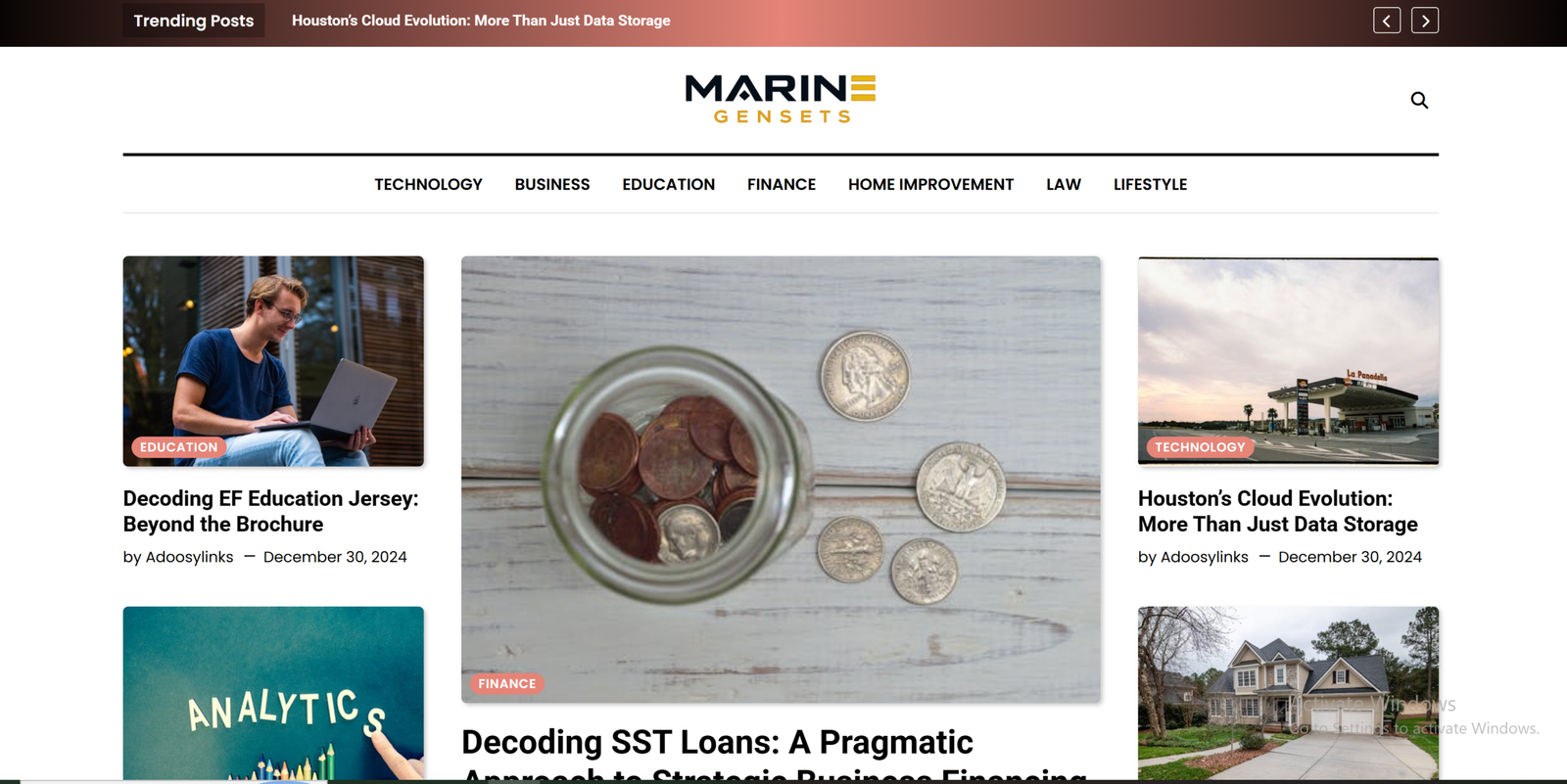
User Experience and Design
Let us talk about what it actually feels like to use MarineGensets.com. The platform adopts a clean, functional design built for quick reference and readability. There are no intrusive ad pop-ups, no lagging video overlays, and no confusing navigation menus. You land on the site, select your technical topic or power rating category, and start reading immediately.
The articles are formatted cleanly with structured subheadings, clear technical data tables, and bulleted checklists that make technical documentation easy to digest. In an industry where cluttered interfaces waste time during quick reference searches, this streamlined layout is a major plus.
Mobile Experience
Because marine engineers and technicians frequently consult technical guides on phones or tablets while on vessel decks or in shipyards, mobile optimization is crucial. MarineGensets performs smoothly across mobile devices. Text scales naturally, technical diagrams load fast, and navigation menus remain responsive on smaller touchscreens.
How MarineGensets Compares to Other Platforms
To offer a complete picture, it helps to compare MarineGensets alongside other industrial and technical platforms.
MarineGensets vs. General Industrial Engineering Sites
Broader industrial blogs cover everything from factory automation to solar grids, meaning maritime topics often get superficial coverage. MarineGensets stands out by staying 100% focused on marine power applications, giving it much higher relevance for maritime professionals.
MarineGensets vs. OEM Manufacturer Catalogs
Manufacturer catalogs and specification sheets are essential, but they are inherently sales-driven and heavy on corporate terminology. MarineGensets acts as a neutral complementary guide, translating complex specs into practical operational advice and independent comparisons.
What Works Well
After exploring the platform in detail, several key strengths stand out clearly:
-
Focused maritime specialization: The platform avoids generic fluff and stays dedicated strictly to marine power generation, cooling, and auxiliary systems.
-
Practical maintenance focus: Guides offer actionable troubleshooting and preventative maintenance advice that translates directly to engine room practices.
-
Emphasis on sustainable tech: Excellent coverage of hybrid systems, variable-speed gensets, and low-emission technologies relevant to modern maritime standards.
-
Distraction-free layout: A clean, uncluttered interface allows engineers and technicians to retrieve information quickly without digital fatigue.
Areas for Improvement
To keep this review balanced, a few potential areas for development should be noted:
-
Interactive sizing calculators: Adding interactive tools to help users calculate load requirements or estimate fuel savings based on engine hours would add extra utility.
-
Expanded troubleshooting diagrams: Incorporating more visual schematics and exploded engineering diagrams could make complex technical guides even easier to follow.
-
Dedicated Q&A forums: Creating a built-in community discussion board where marine engineers can discuss specific fault codes and repair techniques would strengthen community engagement.
Is MarineGensets.com Worth Your Time in 2026?
The short answer: yes, absolutely.
If you are looking for general news, consumer electronics, or casual entertainment, this site is not built for you. But if you approach MarineGensets.com as a structured, reliable technical guide for marine power generation, generator specs, and vessel energy management, it offers clear and practical value.
The platform fills an important space: sitting comfortably between rigid OEM manuals and generic industrial blogs. For marine engineers, vessel managers, and technical professionals who need fast, practical, and clear marine power information, MarineGensets hits the mark.
Tips for Getting the Most Out of MarineGensets
Here are a few practical tips to maximize your use of the platform:
-
Bookmark for engine room reference: Save key articles on cooling systems and troubleshooting to consult during routine maintenance checks.
-
Review compliance guides before upgrades: Refer to their regulatory articles when planning engine retrofits or evaluating IMO emission requirements.
-
Explore hybrid and variable-speed guides: Use their green technology pieces to stay informed on fuel-saving generator configurations for modern vessel designs.
Final Thoughts
As maritime transportation accelerates toward higher efficiency and stricter emission controls in 2026, having reliable engineering resources is vital. MarineGensets.com plays a valuable role in that transition by making complex marine power technicality accessible, practical, and structured.
What makes MarineGensets appealing is its straightforward commitment to technical utility. In a web landscape often dominated by marketing noise, its organized approach to marine power engineering is refreshing. Whether you are troubleshooting an auxiliary unit, evaluating a hybrid genset setup, or studying naval power systems, MarineGensets.com is well worth a bookmark.
About the Author: A marine power systems analyst and technical writer with extensive experience covering marine propulsion, auxiliary diesel generators, and sustainable maritime energy solutions.
